CNIC Delivered to Wrong Address – What to Do Next ?
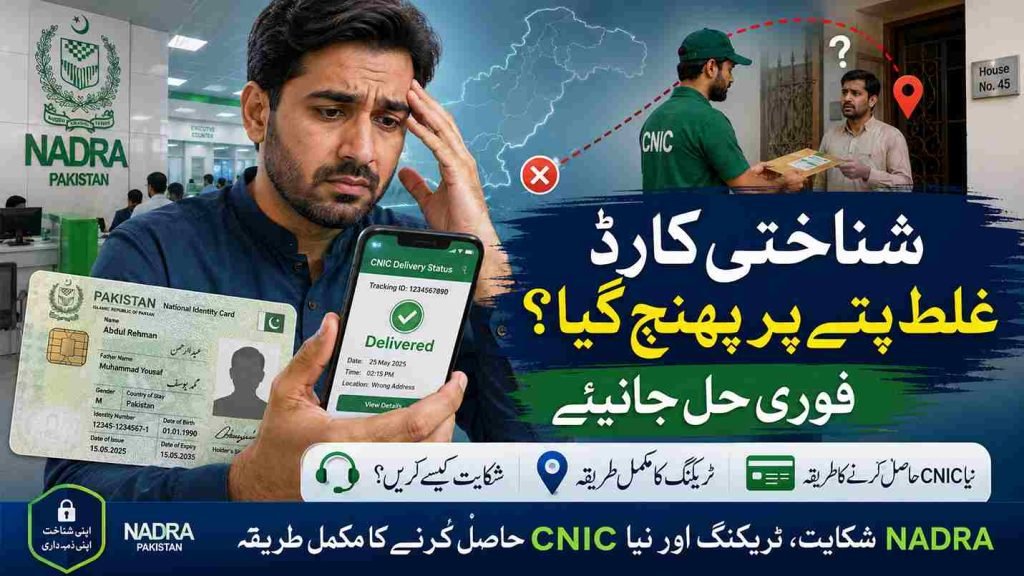
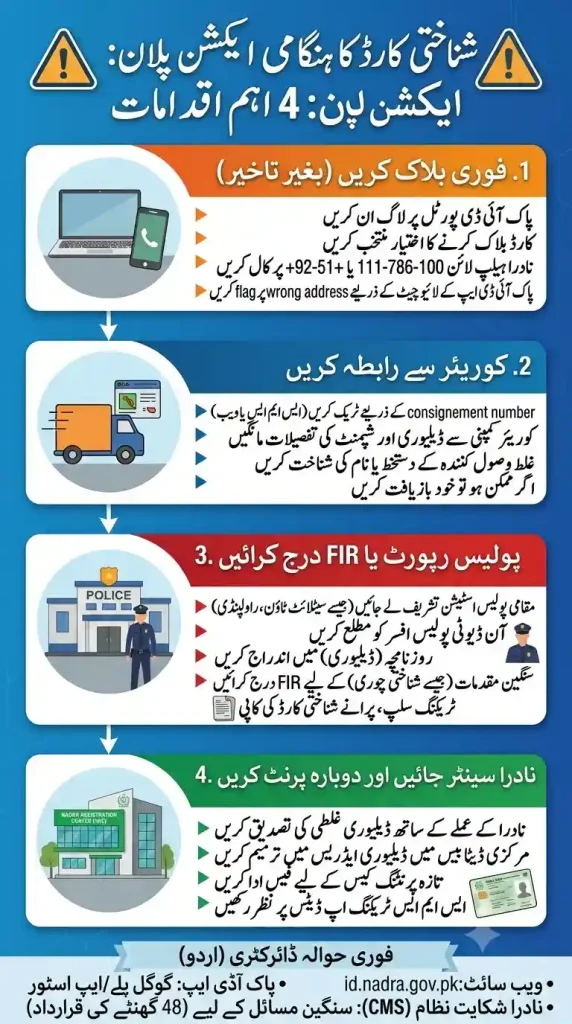
The moment you realize your CNIC never reached you, treat it like a small emergency, don’t wait, because every hour adds to the risk that some unknown person now holds your card and your identity along with it. I’ve personally seen a misplaced card sit in a stranger’s mailbox for days before anyone bothered to act, and by then a simple delivery error had already turned into something far messier than it needed to be. The fastest fix is to block it: immediately log into the NADRA Contact Us portal or the regular web portal, open your application inbox, and check status to confirm it’s actually showing as an undelivered CNIC rather than just delayed. If the website feels slow, skip the queue entirely and call the official NADRA helpline on 111-786-100 or, if you’re closer to Islamabad or Rawalpindi, try the regional line at +92-51, since local NADRA staff often answer faster than the national desk. You can also open live chat through the Pak Identity mobile app for a quicker reply; either route gets your wrong address flagged and a modification started before anyone can misuse your secure identity. That single step is what helps prevent misuse, buying you time to decide whether to apply for a fresh re-print or simply confirm the card was never truly delivered in the first place and if things escalate from here, you’ll want to file complaint sooner rather than later.
Once the card is blocked, shift attention to the sealed package itself, a misdirected delivery rarely vanishes, it usually just lands with the wrong recipient a few houses down. Contact the courier directly, whether that’s TCS or another courier service, and ask for the tracking shipment delivery details; most courier company staff can tell you the exact name on the slip and help you identify the wrong person who received it, especially if you know the neighborhood or local street layout well enough to retrieve it yourself. Check the official website for a tracking ID, and if the system still shows the card delivered to the correct address, that at least confirms it wasn’t lost in transit, you may still be able to safely retrieve it from the wrong household. If recovery fails, or you suspect something darker like identity theft using your existing CNIC, visit your local police station, or the one in Satellite Town if you’re in Rawalpindi, and inform the officer on duty; they’ll record it in the daily diary (also called Roznamcha), and depending on severity, register an FIR rather than just a routine police report. Bring the original tracking slip, your NRC, and any printed photocopy of your old card as required documents, then head to the nearest facility, the NADRA Registration Center, where a NADRA staff member can locate your file in the central database, confirm the delivery error occurred on their end, and modify the delivery address on record so a misdelivered document never repeats.
From there, move to block card and definitively treat it as a card lost case, pay the necessary fee, and let the staff guide you toward a new card, keep an eye on SMS tracking updates so you know the moment the reprint is in your possession, and once you collect the receipt for the freshly printed card, advise anyone at the local authorities managing the case that the matter is closed. From
Why CNIC Delivery Fails ?
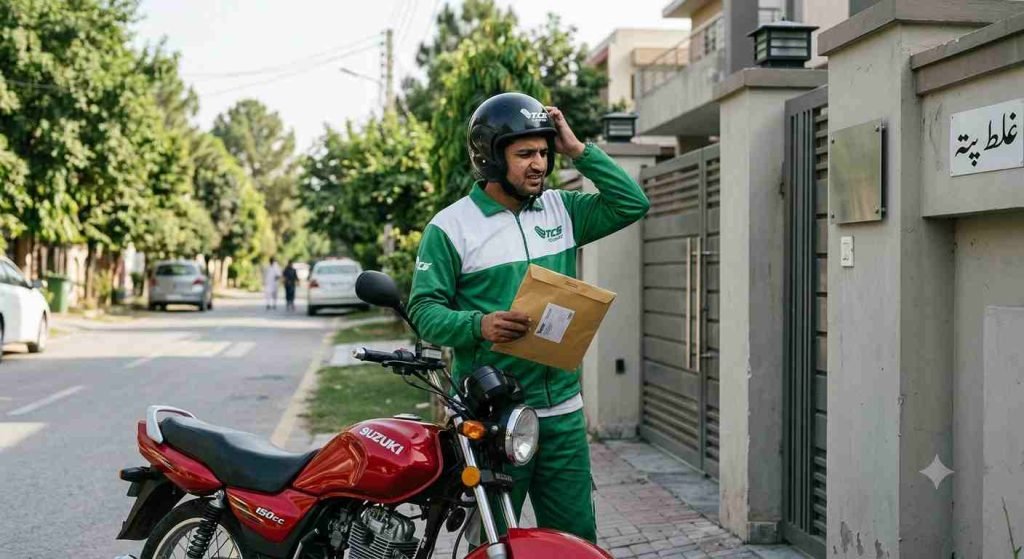
Once a CNIC application gets approved, the card itself is printed at NADRA, and from there it passes through several hands before it actually lands with you. NADRA doesn’t usually hand it over itself, that job goes to a courier partner, most often TCS, though Pakistan Post still runs the route in certain regions where this kind of last-mile delivery isn’t practical for private couriers. Wherever it goes, it’s sent to the address on file, the one entered at submission, not picked at random. I’ve noticed people assume the card is always collected directly from the NADRA centre or regional office, but that’s only true when in-person pickup was the applicant’s choice instead of home delivery.
Now, when delivery problems actually surface, sources close to the process point to two recurring causes. Sometimes the address was simply recorded incorrectly at the time of application, a missing house number, a wrong sector, something small nobody catches until the card is already moving. Other times the address was fine, but you run into a plain courier-side delivery failure: an attempted drop where no one available was home to receive it, after which it either gets sent back or, worse, gets delivered to the wrong door entirely. Either way, you’re left dealing with the same frustrating delivery failure that has nothing to do with your application being wrong, just with the last leg of the journey going off track.
CNIC Shows Delivered But Not Received
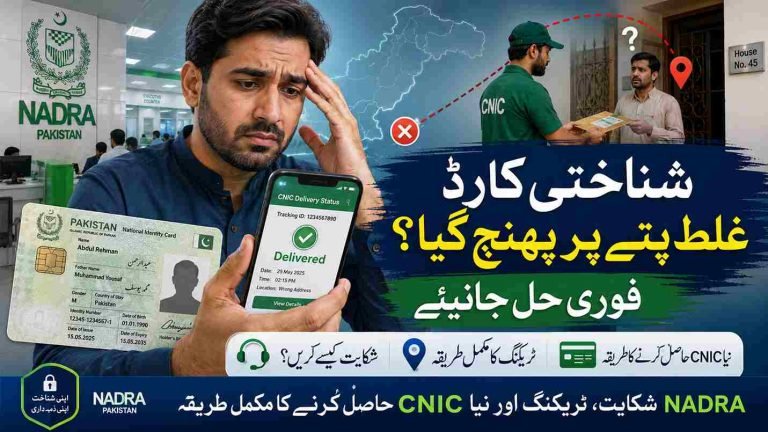
If you have been checking the Pak-Identity tracking portal or the Pak-ID app as an applicant and noticed your CNIC has moved through all stages, under process, printed, dispatched, and finally showing Delivered status, yet the card is nowhere in your hands, you are not alone in this. I have seen this cause real panic, and honestly, it is understandable. The courier marks a package as delivered once it has been handed over at the destination, but that does not always mean it reached the right person. In reality, three situations usually explain this: the card was left with a neighbour or building staff, it was dropped at a similar address nearby, or it was sent to an incorrect address altogether due to a data-entry mismatch.
The third situation, where a wrong address or old address is on file, is where things get more serious. The system status confirms delivery, yet you never received anything because the card was passed on or sent to a location tied to outdated records. While the CNIC kept moving through stages and got marked as dispatched and then delivered, it was received at the wrong door entirely. This is often traced back to a data-entry mismatch from the time of application, where an incorrect address was either entered or carried over from an older record.
How to Know Your CNIC Went to the Wrong Place
Most people only realise something is off when the tracking shows “delivered” but the card has not physically arrived. I have seen this happen more times than you would think, someone waits days, checks the Pak-ID app, and finds the delivery was confirmed to an address they don’t recognise. That is usually the first red flag.
The second sign often comes from someone else. A neighbour, guard, or relative at a different address suddenly mentions receiving an envelope addressed to your name. This usually means the CNIC was delivered to a wrong address, most likely because the address recorded in your NADRA application does not match where you currently live. Sometimes the courier confirms the delivery was made, but to a location or name you do not know at all.
What Happens After Failed CNIC Delivery
A failed delivery is more common than people think, I’ve seen cases where a single missing house number turns the whole process upside down. When a courier attempt goes wrong due to a wrong address, an incomplete address, or simply no one available at the time, the card doesn’t sit at the wrong location waiting for you. Standard practice is that it gets sent back rather than left unattended.
Once returned, the NADRA regional office that issued the card receives it back, or in Pakistan Post-handled cases, it’s held at a local delivery post office for collection. As an applicant, your next move is a direct visit to that office in person, carrying your old CNIC or application receipt to collect it yourself. Don’t count on a redelivery attempt, the system rarely sends the card out a second time, and waiting at home only costs you more time.
What to Do Step-by-Step When Your CNIC Reaches the Wrong Address
The moment you notice something is off, log in to id.nadra.gov.pk or open the Pak-ID app using your token or tracking number and confirm the status shown, if it has changed to delivered but you never received anything, that is your cue to act. From personal experience dealing with such cases, the first real move is to contact the courier directly; if TCS handled the delivery, use the consignment number from your dispatch SMS to find out exactly where the card was signed and by whom, this single step alone can resolve 1 out of every 2 or 3 mis delivery cases without going further.
If that does not work, visit or call the NADRA center where you applied, bring your original application receipt or old CNIC, and ask the staff to look up the dispatch record to check whether the card was returned to their office. In many situations, when delivery is attempted and failed, the card sits waiting at the issuing NADRA regional office or a designated Pakistan Post delivery office for in-person collection, so check both 4 and 5 possibilities before panicking. If the card genuinely reached the wrong person, do not rely on phone calls alone; file a formal complaint through NADRA’s Complaint Management System since it generates a trackable complaint ID, and while you are at it, update your address through the address modification process to correct whatever cause led to the mis delivery, ensuring any reissued card and future correspondence reaches the right place next time through 6 proper channels of regional office coordination and verified collection.
How to File a NADRA Complaint
If your CNIC has gone to the wrong address, the smartest move is to go straight to NADRA’s online portal and use the Complaint Management System (CMS), this is where most cases actually get resolved. From personal experience helping people navigate this, I’ve seen how quickly things move once a complaint is properly lodged through the official system. Once submitted, you get a complaint ID that keeps everything tracked, and the standard resolution window is 48 hours, which is honestly faster than most expect. If the helpline or a centre visit didn’t give you a satisfactory response, the CMS also lists named officers responsible for escalations by region, including an overseas mission contacts list for applicants abroad, so issues rarely stay stuck for long.
Required Details for NADRA Complaint
When you file your complaint, be precise, include your CNIC number, application tracking number, or token number, whichever you have. Add the courier consignment number if your card was sent through TCS, along with the address that was on file versus where the card was actually delivered. Also mention the date the status changed to delivered and the date you discovered it was missing, this timeline matters more than most people realize and can speed up how fast your case gets filed and acted on.
How to Track Your CNIC Status
Once a complaint has been filed, the waiting feels endless, trust me, I’ve seen people check their phones every hour expecting a miracle. The smarter move is to monitor status changes across multiple channels in parallel rather than relying on just one. Applicants can use the id.nadra.gov.pk web portal by entering their token number for tracking, or use the Pak-ID mobile app available on Google Play and the App Store, simply after logging in or registering with your credentials. You can also send your application tracking ID via SMS to NADRA’s short code, which is honestly the quickest check when you’re on the go.
Track Your NADRA Complaint Status
What most people miss is that the CMS portal supports separate tracking using your complaint ID, so you’re not just watching your CNIC status, you’re watching the resolution progress directly. The status refreshes roughly every 12 to 48 hours, so repeated SMS checks within a short window won’t speed up processing in any way. Once the issue gets resolved, you’ll see it reflected across all channels simultaneously. Patience here isn’t passive, it’s strategic.
Update CNIC Address with NADRA
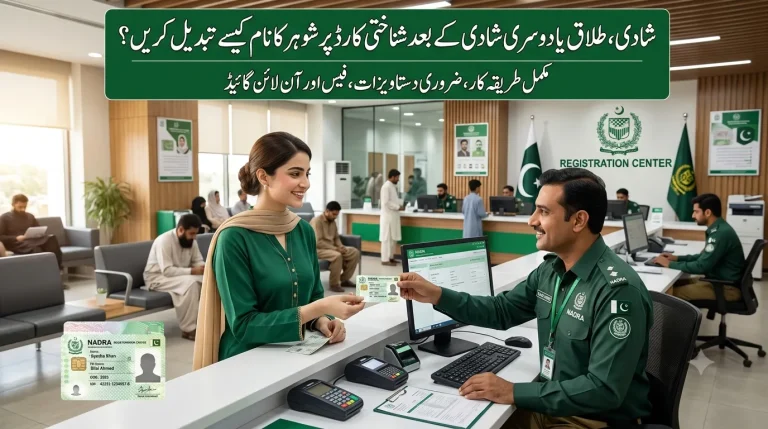
If your CNIC record still carries an old address, from before a marriage, a job transfer, a new property purchase, or a relocation, the card will keep going to the wrong place, no matter how many times you follow up. These are the most common triggers people overlook, and I’ve seen this happen repeatedly with both standard and Smart CNIC holders. Since 2026, NADRA has expanded online options for correcting your permanent or present (temporary) address without always needing an in-person trip. Applicants can now use the Pak-ID app to submit an address update, complete biometric confirmation online, and choose between a Normal, Urgent, or Executive processing fee depending on how fast they need the corrected card issued. That said, first-time address changes or cases where discrepancies get flagged by NADRA’s system will still require a registration centre visit, so the online route isn’t always a full replacement for showing up in person with your proof of new address and letting them file and complete the process on the spot.
Update CNIC Address with NADRA
Call the NADRA Helpline for status inquiries, delivery updates, and escalations:
- 1777 (within Pakistan)
- 051-111-786-100
- 042-111-786-100
Use the Pak-ID App to:
- Track your CNIC application status
- Submit address change requests
- Receive status notifications directly on your phone
Visit the NADRA Online Portal for web-based tracking and ID/token lookups:
- id.nadra.gov.pk
File a Complaint through the NADRA Complaint Management System (CMS) if:
- Your CNIC was delivered to the wrong address
- Your card has not arrived despite being dispatched
- You need a formal, trackable complaint instead of a verbal acknowledgment
Check with TCS Courier if your CNIC has already been dispatched:
- Use the consignment/tracking number sent via SMS by NADRA
- Track the shipment to identify possible sorting, routing, or delivery issues
- Contact TCS directly if the parcel shows delivery exceptions or delays
Keep the following information ready when contacting NADRA or TCS:
- CNIC application/token number
- Tracking/consignment number (if available)
- Registered mobile number
- Correct delivery address
Following these steps can help you quickly identify whether the delay is with NADRA processing, address verification, or courier delivery.